What Is Myopia?
Myopia, also known as short-sightedness, is a condition where distant objects appear blurry while near objects remain clear. It occurs when the eye grows too long from front to back, causing light to focus in front of the retina instead of directly on it.
Myopia typically develops in childhood and often progresses throughout the school years.
In Australia, rates of childhood myopia are increasing rapidly due to:
Increased screen time
Reduced outdoor exposure
Intensive near work
Genetic factors
While glasses correct blurry vision, they do not stop the eye from continuing to grow. That is where myopia control becomes essential.
At Eyekonic Optometry in Baulkham Hills, we provide evidence-based myopia control strategies designed to slow progression and reduce long-term risks.
Why Myopia Progression Is a Concern
Many parents assume myopia is simply “needing stronger glasses each year.”
However, progressive myopia is linked to increased lifetime risk of:
Retinal detachment
Myopic macular degeneration
Glaucoma
Early cataracts
The higher the prescription, the greater the long-term eye health risk.
A child whose prescription changes every 6-12 months is likely experiencing axial elongation (eye growth). Slowing this progression during childhood significantly reduces future complications.
Early management is about more than clearer vision — it is about protecting long-term eye health.
Why Early Intervention Matters
Myopia progresses most rapidly between ages 6 and 12.
The earlier we intervene:
The more effectively we can slow progression
The lower the final adult prescription is likely to be
The lower the lifetime risk of serious eye disease
Research consistently shows that active myopia management is significantly more effective than standard single-vision glasses alone.
If your child has recently been diagnosed with myopia or their prescription is increasing yearly, this is the ideal time to consider treatment.
Myopia Control Treatment Options in Baulkham Hills
At Eyekonic Optometry, we tailor treatment plans to the child’s age, lifestyle, and prescription.
1: Orthokeratology (Ortho-K)
Ortho-K lenses are specially designed contact lenses worn overnight.
They gently reshape the cornea while your child sleeps, allowing clear vision during the day without glasses.
Benefits:
Daytime freedom from glasses
Effective slowing of axial elongation
Ideal for active children
Ortho-K is one of the most evidence-supported myopia control treatments available.
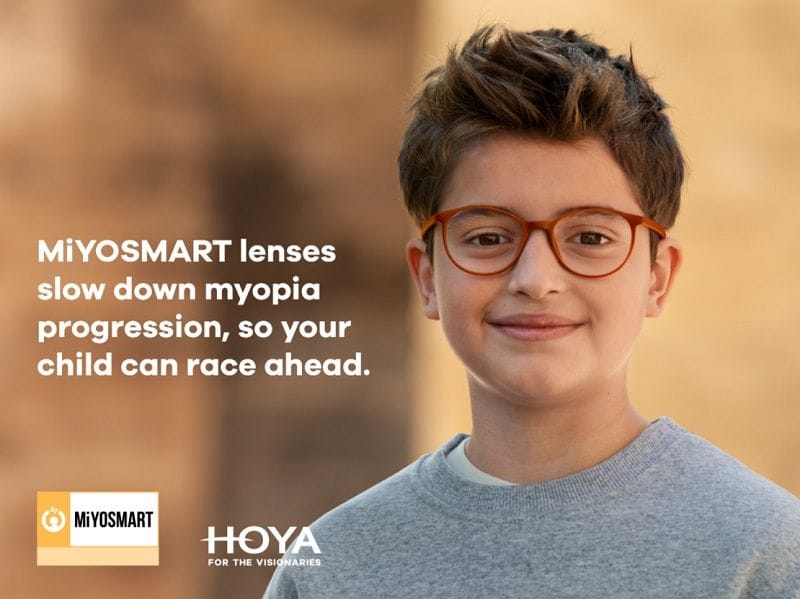
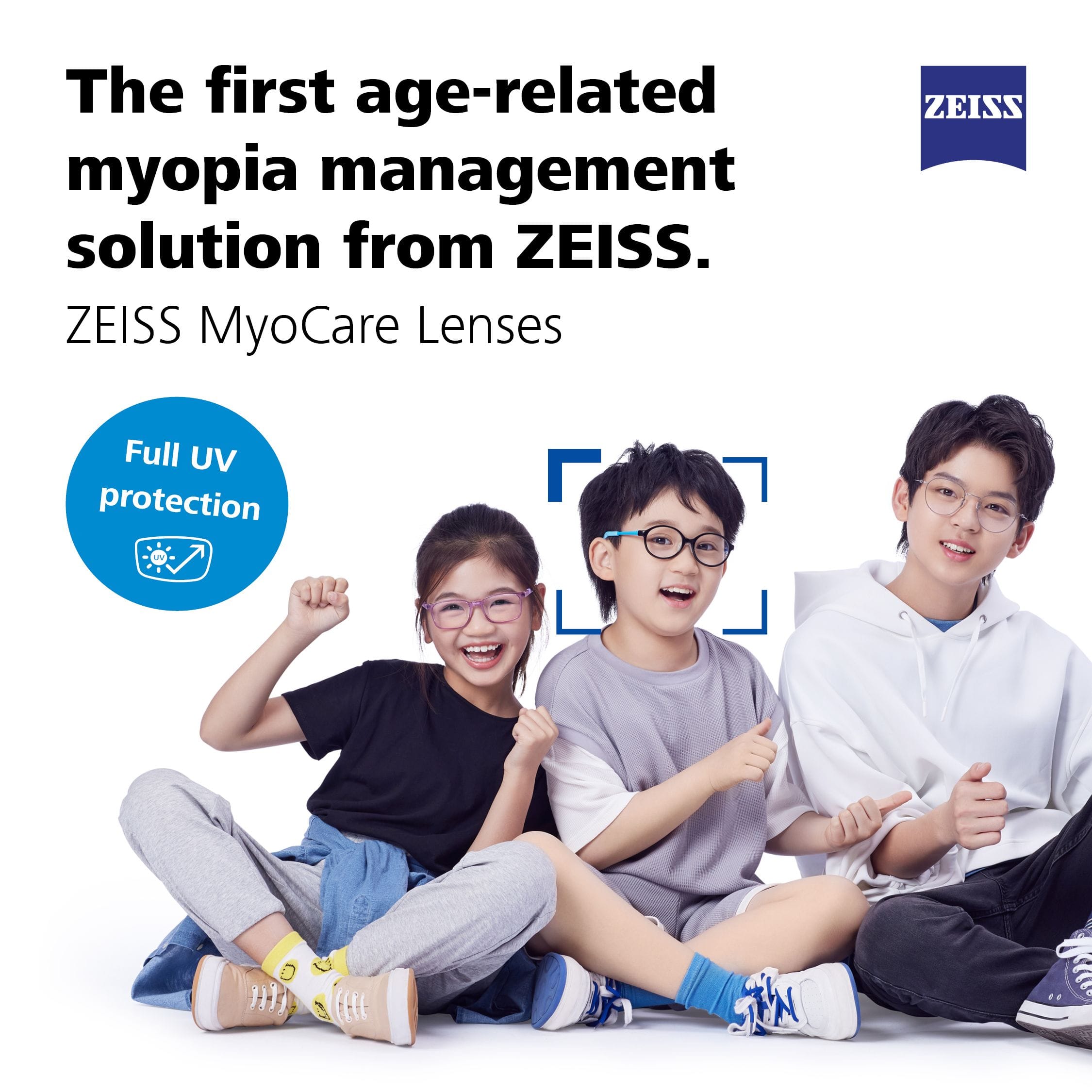
2: Specialised Myopia Control Spectacle Lenses
These lenses look like regular glasses but are designed with peripheral defocus technology to reduce stimulus for eye growth.
Benefits:
Non-invasive
Suitable for younger children
Easy adaptation
3: Myopia Control Contact Lenses
Daily disposable lenses specifically designed for slowing progression.
Benefits:
Excellent vision quality
Convenient and hygienic
Good option for older children
4: Lifestyle & Monitoring Program
Myopia control is not just about lenses.
We provide:
Ongoing monitoring
Outdoor time recommendations
Screen distance guidance
Regular review appointments
Our structured monitoring ensures treatment remains effective over time.
Who Is Suitable for Myopia Control?
Your child may benefit if:
They are aged 6-14
Their prescription increases yearly
One or both parents are short-sighted
They spend significant time on near tasks
They show rapid progression
During a comprehensive children’s eye test, we assess suitability and discuss the best options for your family.